The Field Journal
A hand-drawn notebook you fill in yourself. Sketches, pressed specimens, fragments you can almost read. The game's only inventory, and its memory.
You arrive with a damaged field kit, a notebook, and instructions from a research station that stopped responding nine weeks ago.
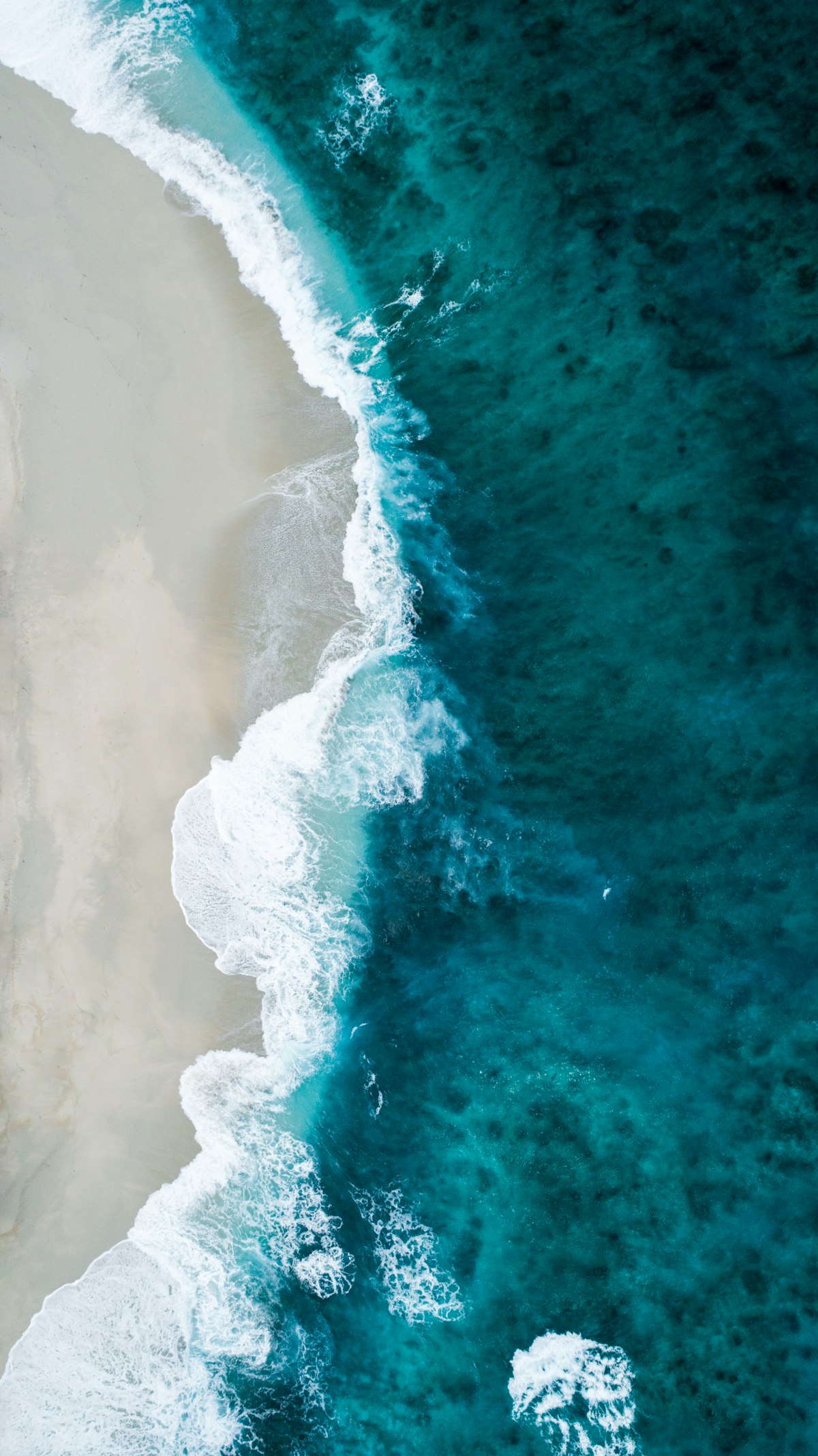
There is no combat. There are no quests. There is the island, a long twilight, and whatever you can write down before the battery on your lamp gives out. Every decision is quiet, and every discovery is yours alone.
We're building Pale Meridian as a small, stubborn studio — three people and a composer — with the belief that games can be as still and strange as a good novel.
A hand-drawn notebook you fill in yourself. Sketches, pressed specimens, fragments you can almost read. The game's only inventory, and its memory.
A full day-night cycle takes nearly two real-time days. Light changes slowly, but it changes, and so does what you can see of the island.
A portable radio you tune by hand. Most of the time it gives you weather. Sometimes it gives you something much older.
Nothing is gated. Nothing is required. Wander for forty minutes or forty hours — the island will be different when you come back either way.
We post roughly every two weeks — build notes, art updates, things that broke, and the occasional theory about why. No PR voice. No roadmap slides.
We've thrown out the volumetric pass and gone back to a stack of hand-tuned billboards. It's cheaper, it runs on a laptop, and — somehow — it looks more like fog. A long post on why.
The composer writes about recording the main theme on a detuned piano in a Scottish chapel, and what we kept from those sessions versus what we rebuilt in the engine.
Playtesters kept flipping back to check notes they hadn't written yet. Instead of fixing it, we leaned in. A short note on designing around a bug that felt right.
An honest retrospective on budget, pace, scope cuts, and why we turned down a publisher offer in January. Thank you for reading this far.
We're sending the first wave of keys in July. Early access testers get the full game, access to the private dev channel, and their name in the journal of the lighthouse keeper. We read every reply.